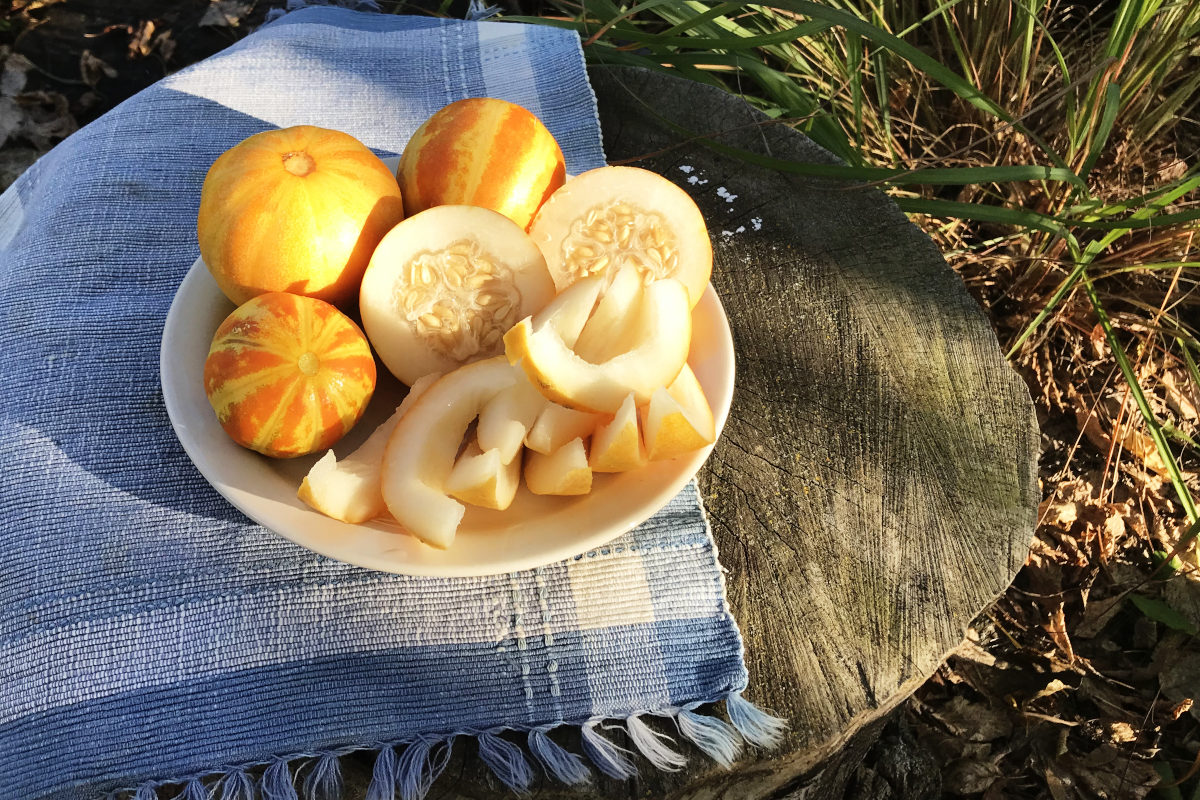
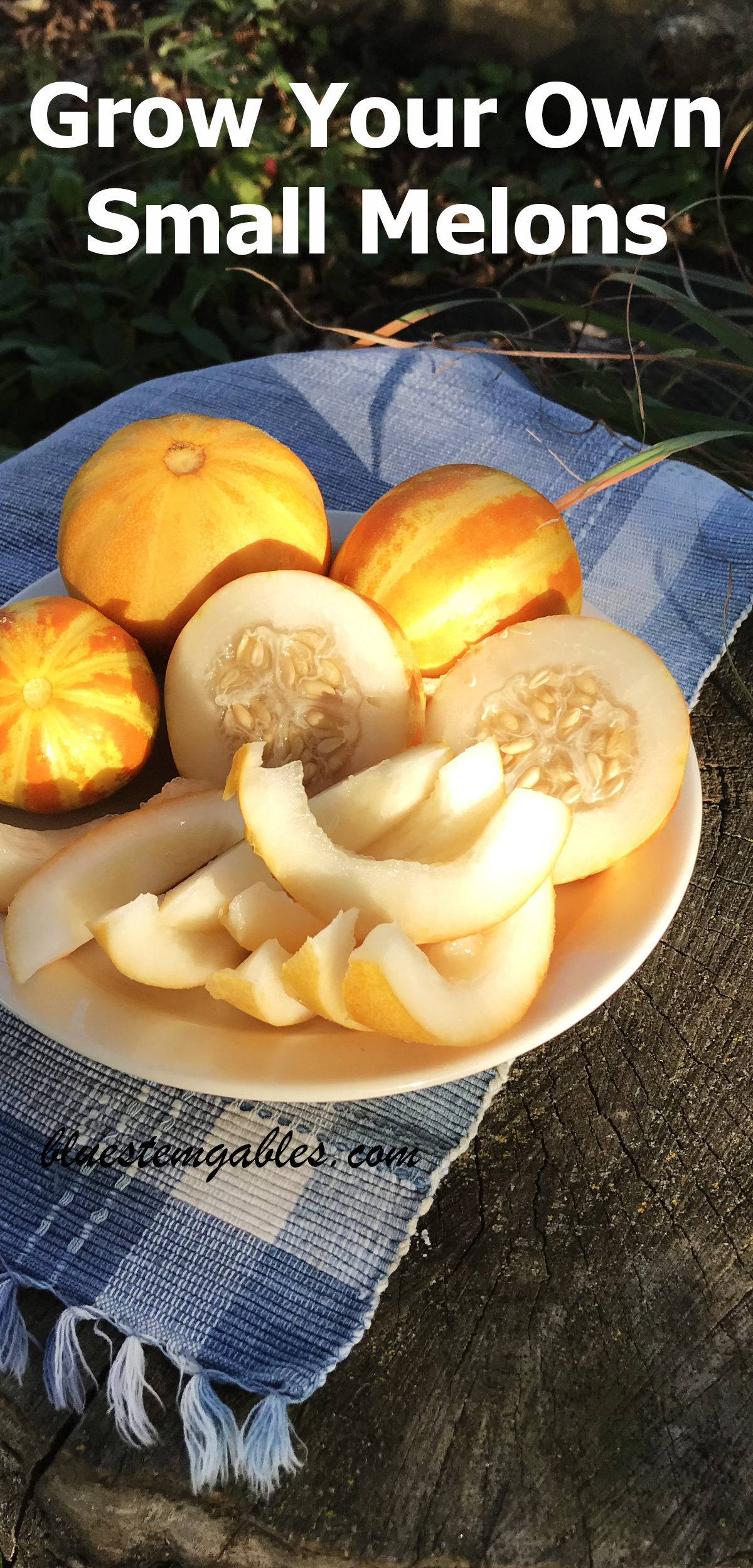
Small melons, like these Queen Anne Pocket Melons and Mother Mary’s Pie Melons, are productive vines that produce an abundant crop of baseball sized melons. With a short maturation, these melons might be just the thing for short season gardeners.
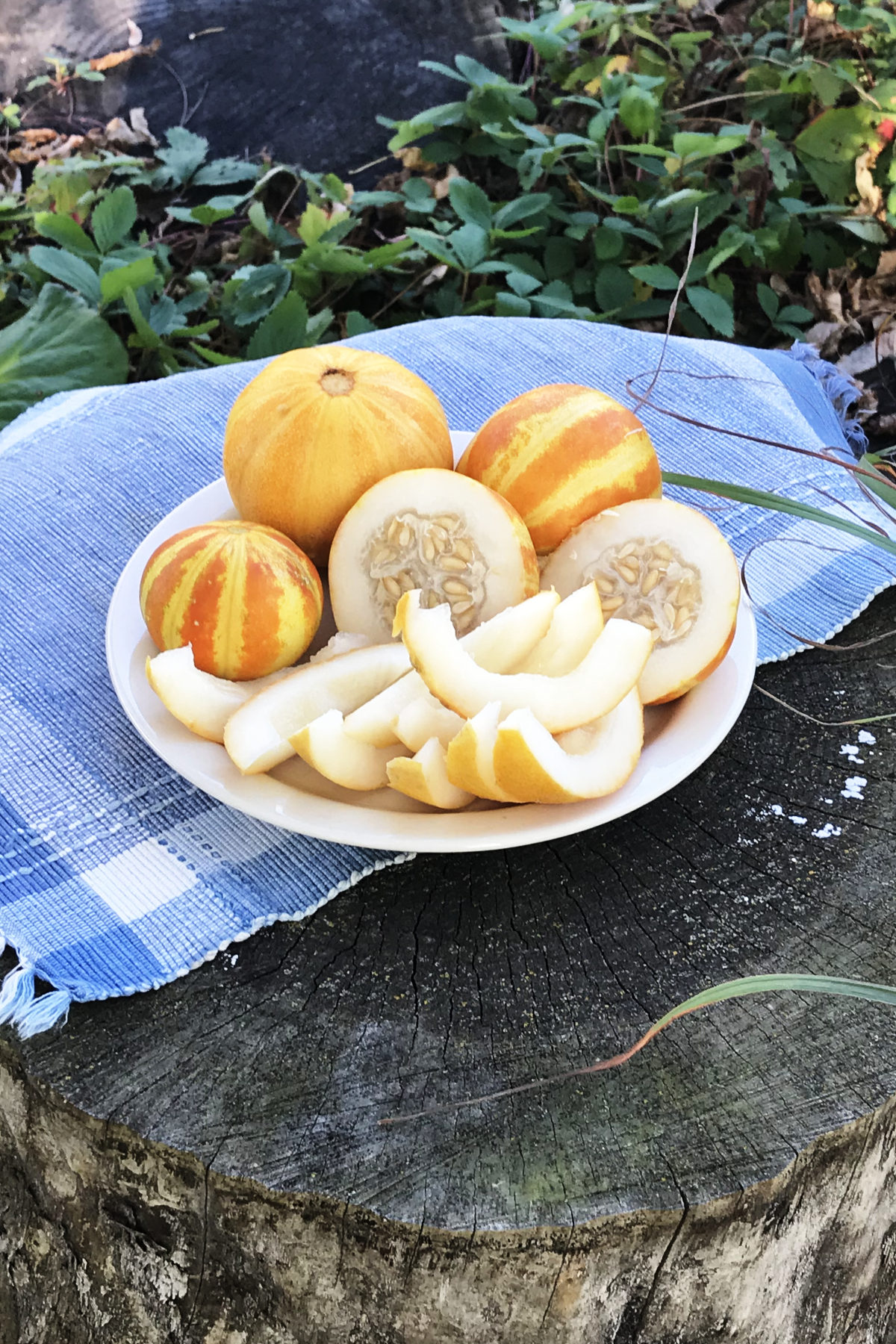
Queen Ann Pocket Melons were known over 300 years ago for their heady fragrance at a time when bathing was a rarity. It appears the Victorians were in a conundrum – they thought bathing unhealthy but their olfactory senses disagreed; So they placed these fragrant little melons in their pockets as a perfume.
Of course, I wanted to try a new kind of melon, as I am on the lookout for more fruit to add to my garden. These cuties were irresistible and made their way to my seed cart. Queen Anne Pocket Melons go by many names, including Portugal melon, King Charles, Dormers, Pomegranite, Dudain, and Plum Granny.
How to Grow Small Melons
Pocket Melons grow like typical melons. They can be started indoors 3-4 weeks before last frost or direct sown 1-2 weeks after last frost, planting in hills of 3-4 plants, 6 feet apart in full sun.
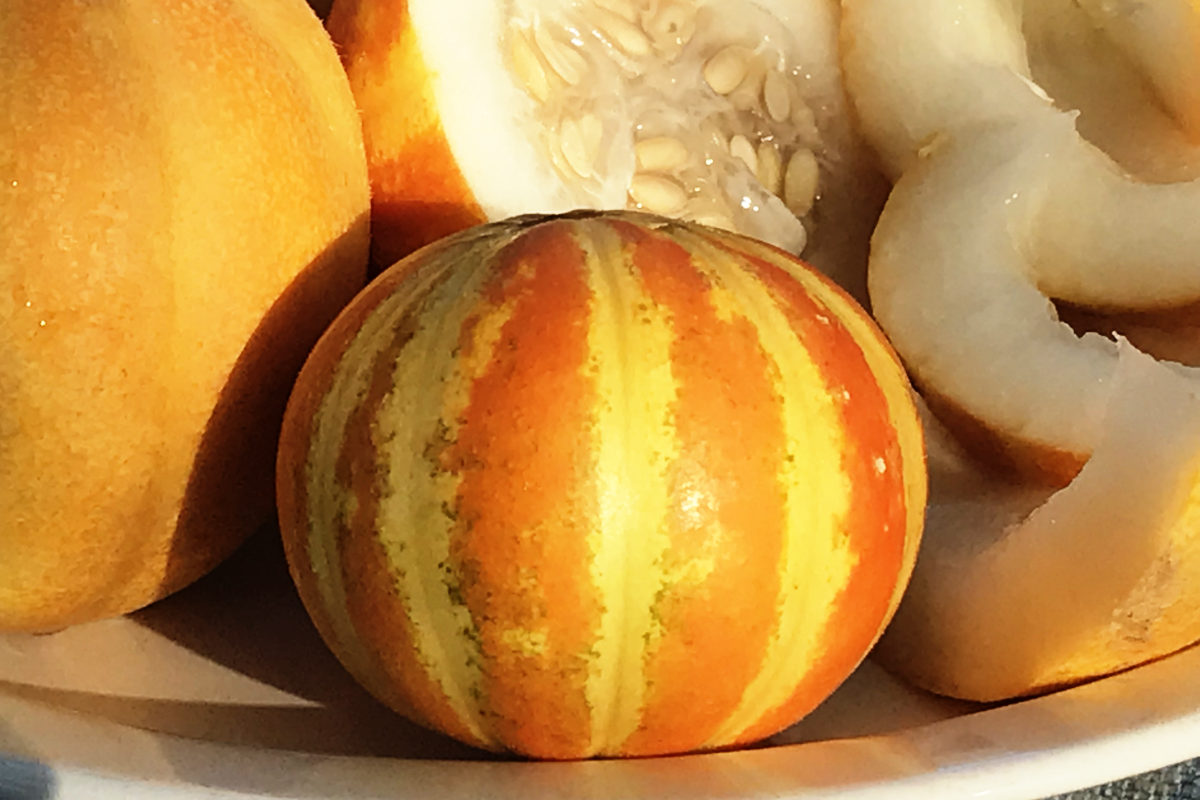
The immature melons are handsome in their dark and light green stripes, maturing to red and gold, or call it yellow and orange if you’re not King Charles or Queen Anne, who were known to carry the melons on their person.
Some people claim the fragrance of these melons is overwhelming. Others, like me, find them a pleasant melon fragrance. However, by the time the melons are ripe, they are also fruit fly magnets.
Of course, I had to see how edible these diminutive melons are. I found them to be akin to a lemony melon flavour. It seems somebody creative should be able to take advantage of a lemony melon – maybe something like a meringue topped pie – a northerner’s version of lemon meringue, or mixed with blueberry something. Lemony melon is fun to say.
Some say the flavour is sweeter in hotter climates.
Mother Mary’s Pie Melon appears to be a strain of the old vine peach or mango melon. It has white flesh, slightly sweet and fragrant, with golden yellow rind.
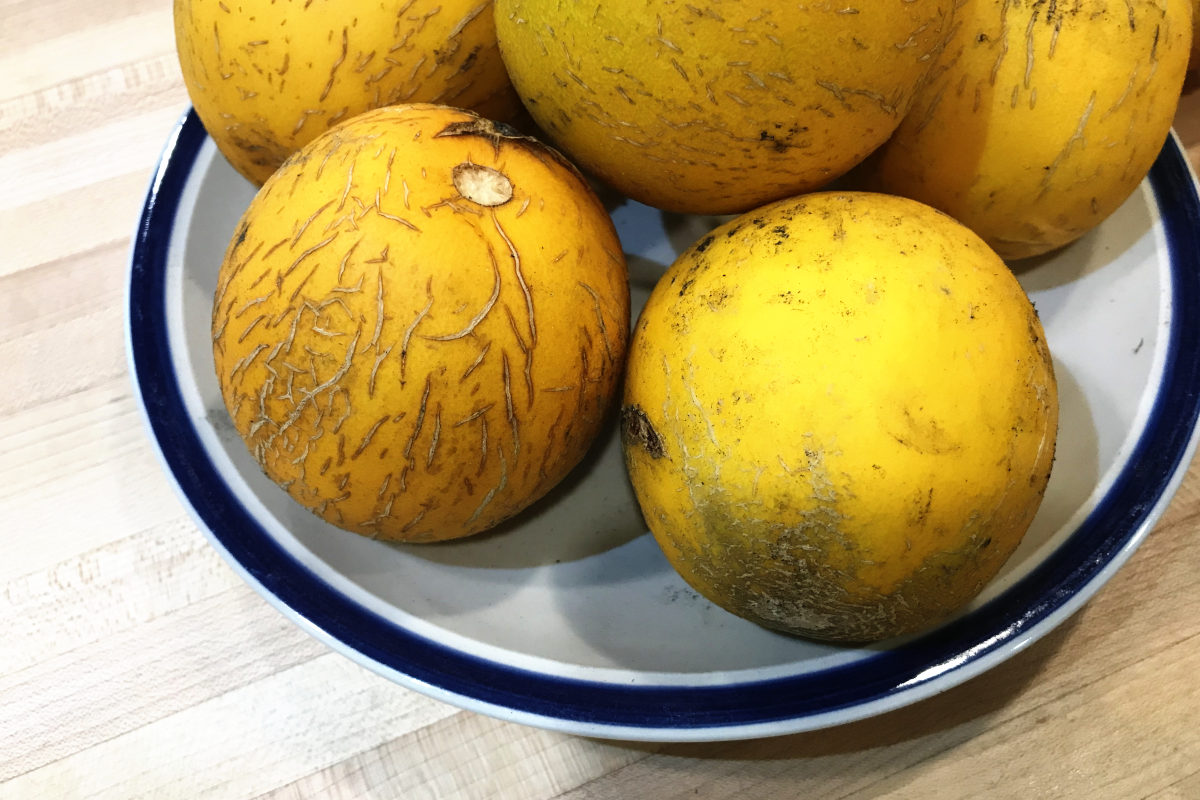
Definitely sweeter than the pocket melon, these have been grown by a Minnesota farmer since 1914. This family mixes the melon with apple in pie (one to one ratio). Perhaps if one didn’t have enough apples trees, like me, this would be a good option.
My first attempt at growing pie melon was foiled by a deer who…stepped on the melon hill.
Do Small Melons Measure Up?
In both of these melons, the seed cavity is pretty large in comparison to the thin flesh. It seems a bit labourious, unless perhaps, they are soft enough to scoop out.
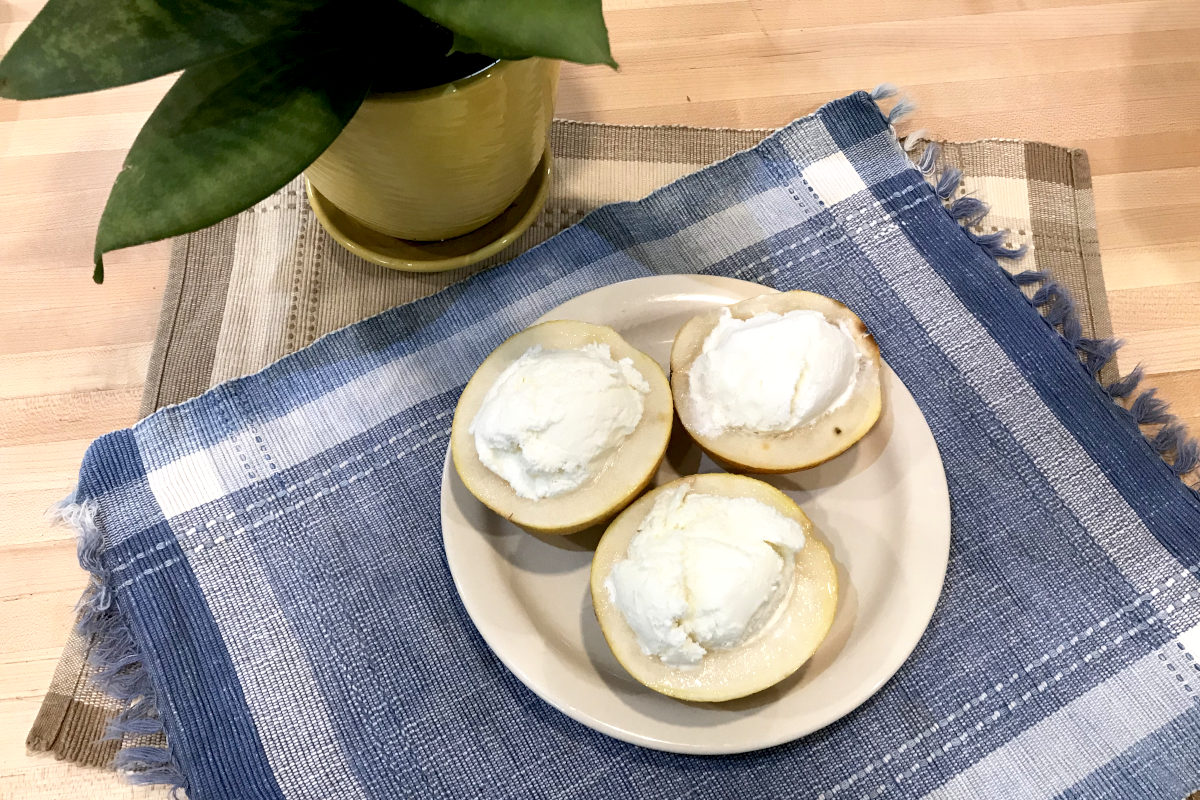
Speaking of scooping out – if you scoop out the seed cavity, it is the perfect size for a scoop of ice cream! Cantaloupe and ice cream are an old classic treat, at least where I come from. Even the BDI (Bridge Drive In) in Winnipeg has a Canterberry Sundae. These melons also work well.
I think if I lived in zone one or two I would definitely grow small melons because of their short maturation of 70 days.
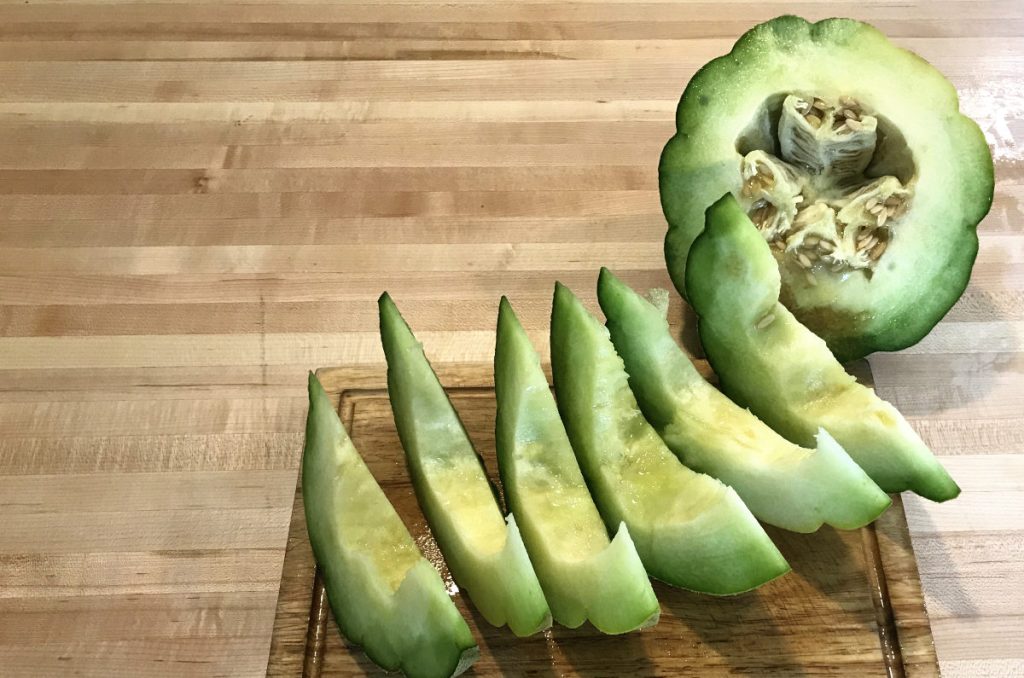
However, we have larger melons that seem to do well most years here in zone three prairie, if we don’t have dogs that think they are play toys. Cantaloupe and even the Montreal Market Melon perform respectably. The Minnesota Midget Melon (cantaloupe) has an even shorter length of maturity with a good number of melons.
I think I will hold off on the small melons next year. Maybe one day I’ll have a craving for lemon meringue melon and wild blueberry pie, and grow them again. Until then, happy growing and let me know your favourite melon!
Check out these other garden gems:
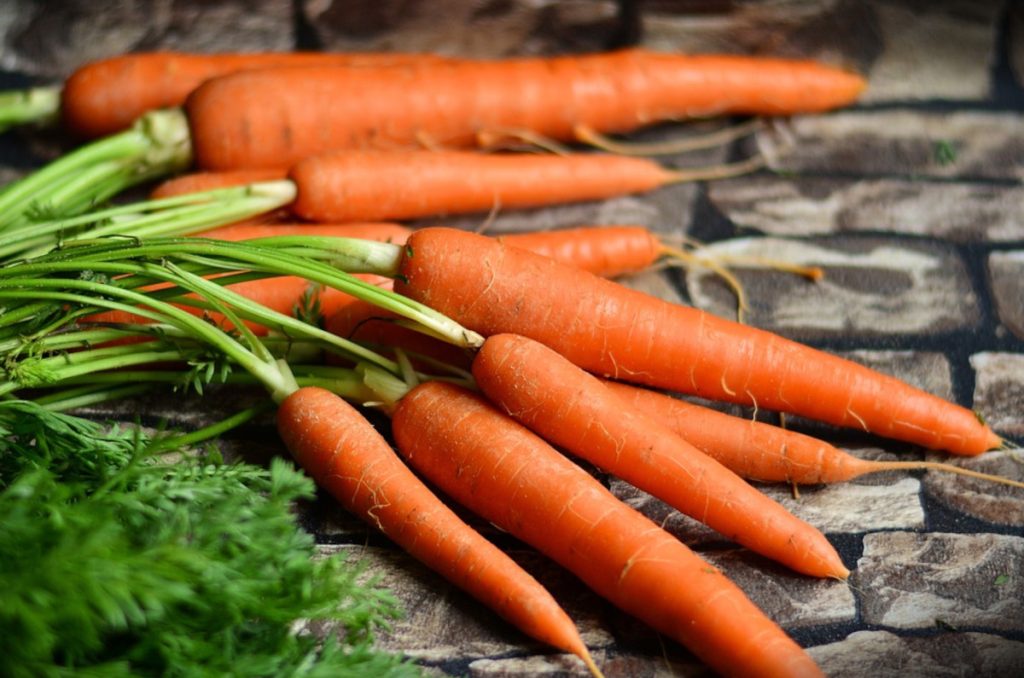
Carrots: Sowing, Storing, Saving Seed
 I'm Erika, I live on eighty acres in the northern prairies of southern Manitoba with my husband and four kids. Here, we enjoy the outdoors and try to be more self sufficient as we try new things in the garden and learn about our land and the world around us.
Leave a Reply