A few years ago I had a mission to plant more fruit in my garden. Besides various melons (like these and these), I found an historic, annual, heirloom berry called Wonderberry. Here is what you need to know about it.
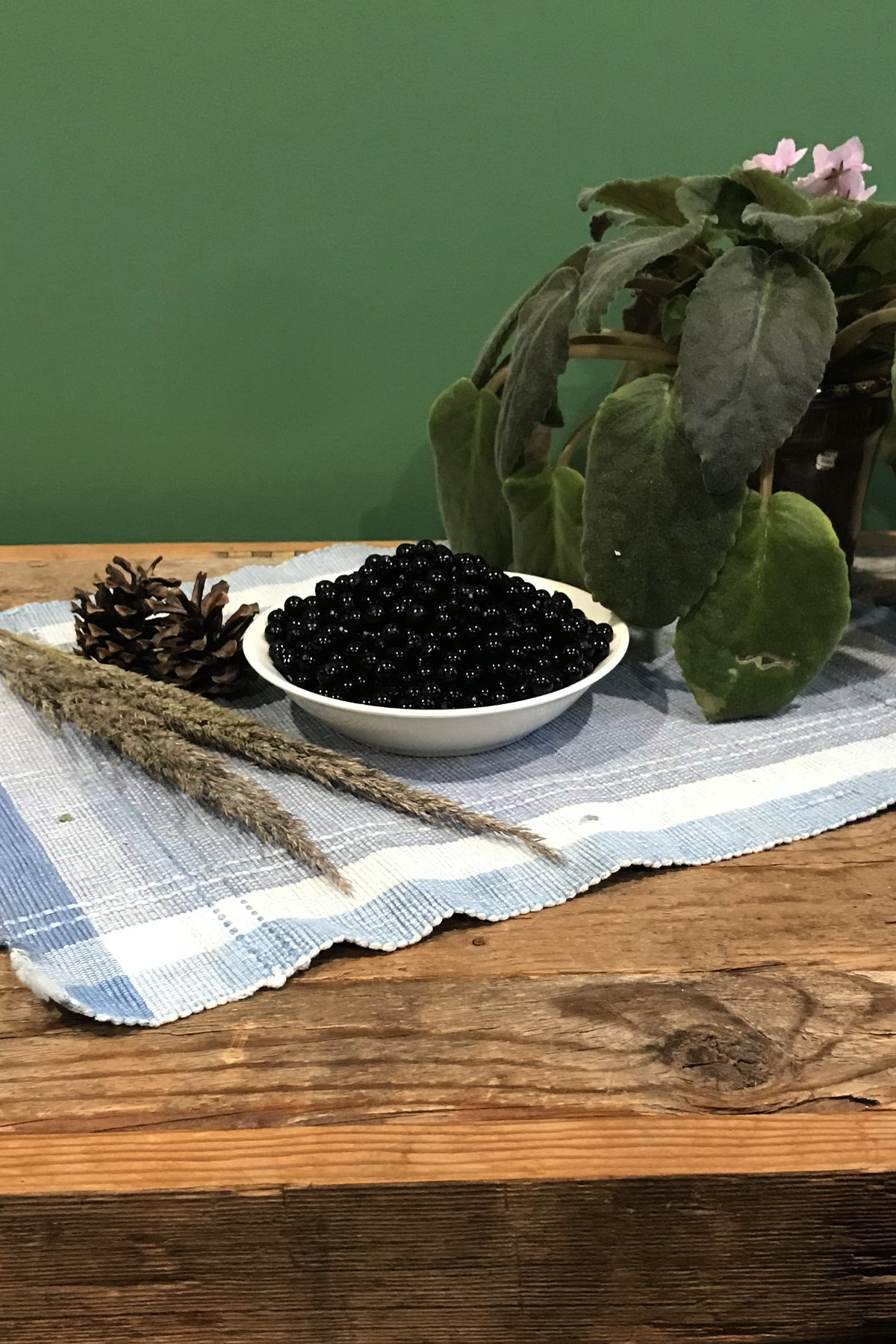
To be honest, I’m not sure if my wonderberries are a success or failure. In some ways they are highly successful (tongue in cheek?). In other ways they may be ho hum. Let the mystery begin.
How to Grow Wonderberry
There are several varieties of wonderberry, sunberry or garden huckleberry in catalogues. I have Solanum burbankii, named after its breeder, Luther Burbank, in the early 1900s. Its flavour is said to be incomparable to other huckleberries, (of which I am unfamiliar) so don’t let that deter a planting if you are unfavourably disposed to huckleberries.
Wonderberries are an annual berry crop, growing quickly, even in northern climates – the catalogues say 75 days to harvest from planting transplants. This made it a boon to settlers traveling west, who needed a quick crop to fill their larders or starve. This year I harvested mid August from self-seeded plants.
In the first year, I started the wonderberries inside. The package says 6-8 weeks indoors, planting 1/8th of an inch deep; Basically, scattering on top. Cover to keep in moisture, but definitely keep moist until somewhat established.
Plant out after the last frost. One established outside, wonderberries become quite drought tolerant. That is a good thing on our extremely well draining gravel ridge. It proved true this year, which, though it rained a fair bit early on, then turned so dry my other crops suffered (small carrots, small peppers, ugly corn, few beans). I know, I know – need to find a better watering system than child labour.
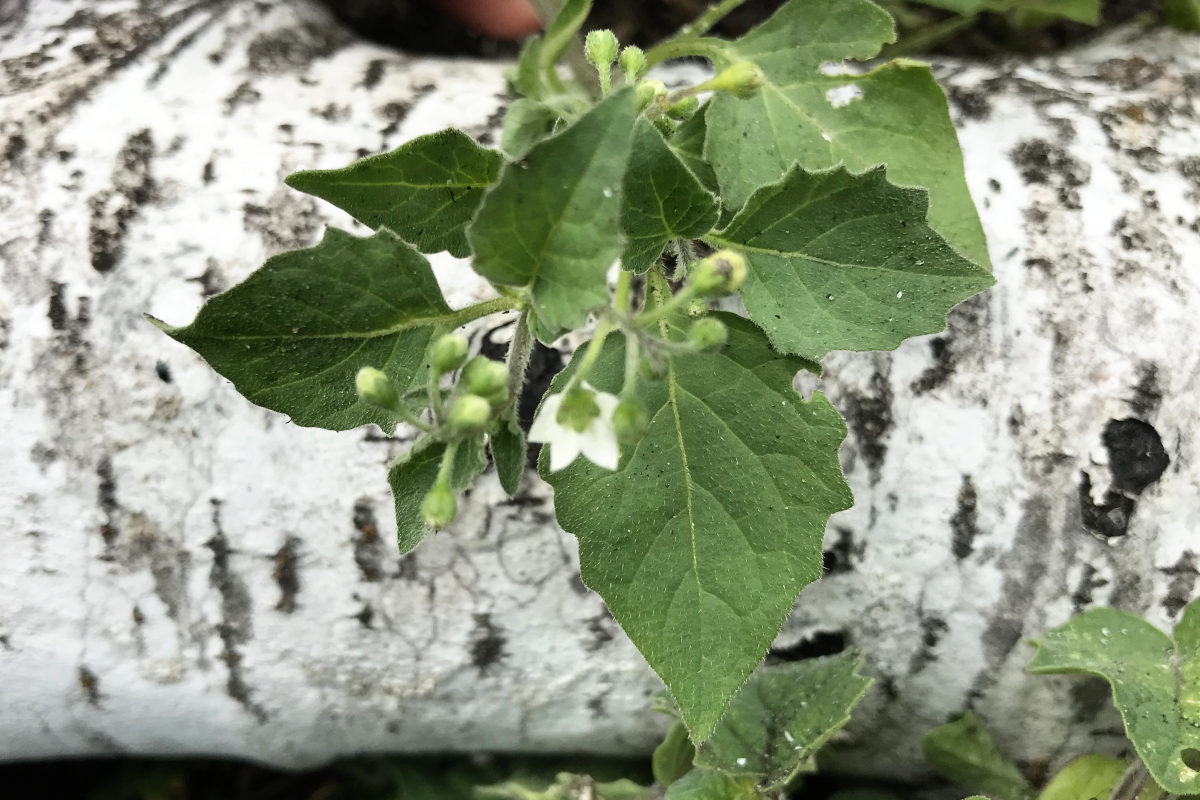
But the wonderberries grew to their generous two-foot-tall bushes, and grew handfuls of berries in large clumps. That sounds like success. Better and faster picking than the smaller bunches it sometimes grows.
But some plants benefit from water at different times in their growing cycles, I’ve observed. I have native big bluestem, and a greenhouse cultivar. It depends on rain patterns, which one will outperform the other.
This is not my first year growing wonderberry. I have not had to start seeds indoors since the first year. Though an annual, wonderberry self seeds prolifically. This may sound like an easy way to acquire berries year by year.
The last few years I designated a patch in the garden where the berries wanted to come up and tilled and weeded the rest.
Perhaps it was the first year, I planted my onions beside the wonderberries, thinking only a few inches difference in their heights, but not accounting the bushy habits of the wonderberry, and underestimating its vertical growth. The poor onions were not happy to be crowded out and shaded, refusing to grow to their potential.
You can sense my hesitation. I believe I have found why wonderberries fell out of favour with gardeners after the pioneers settled down. They must have had some disciplined hands at weeding to prevent it from going the way of the dandelion, covering the continent, in every domestic and wild place.
It even surpasses the ground cherry in aggressive colonialism. It would and might yet cover my garden entirely. It might look like a farmer’s monoculture field. Even the new part of the garden (solarized with plastic sheeting and tilled up last fall) has abundant wonderberry growing in it.
Even my dill must be planted yearly to get a decent enough amount, it does not self seed enough (I know that is not everyone’s situation, Mom). But these berries are not deterred, not even by tilling. The success, now, is shaky, about to self-destruct.
I know this year, while we got the early weeding done, it has since fallen to the wayside as we are still occupied with our old house renovations, as we were last year. Wonderberry has definitely taken advantage of this. Though some of the outlying berry plants grow only six inches, they still produce berries, ensuring their survival, they hope, to next year.
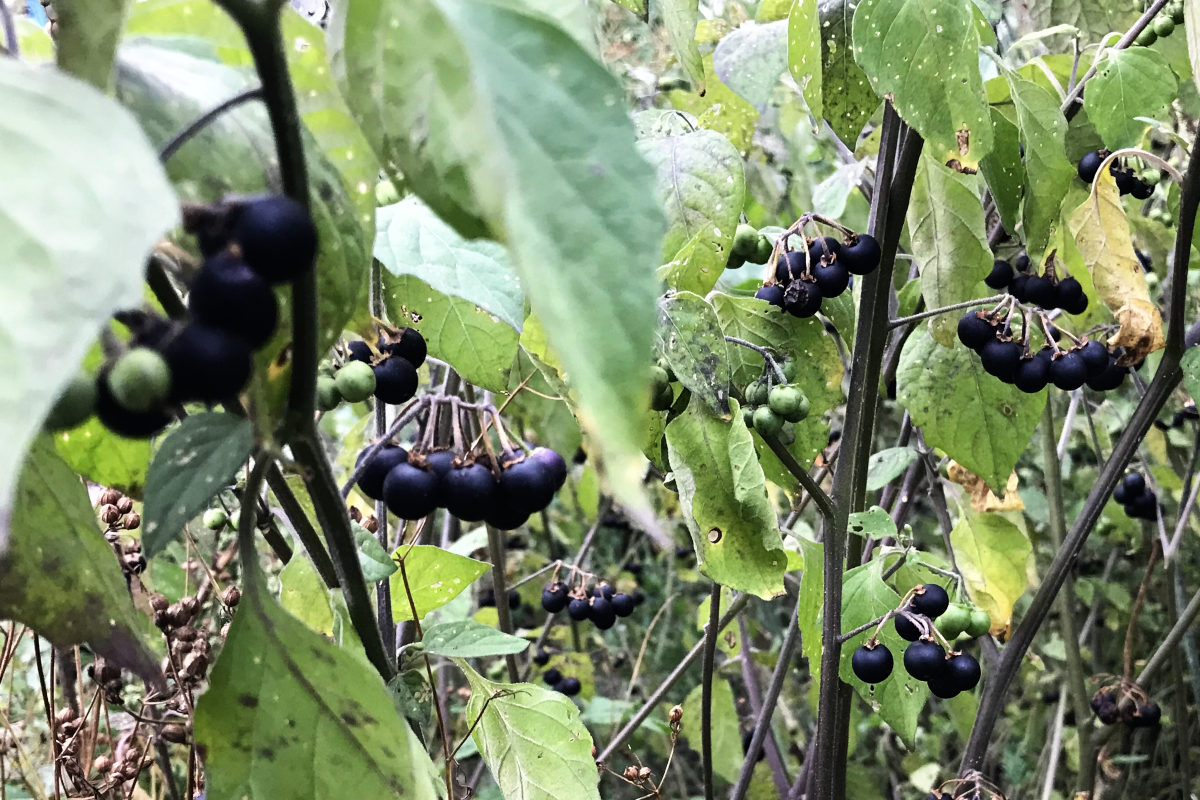
The leaves of the wonderberry have been feasted on and decimated, I believe by those awful flea beetles (canola beetles). We haven’t even had canola grown nearby in years. The beetles are all in my garden now, it seems. One could have imagined that the beetles bestowed a blessing in the midst of their destruction, killing off the wonderberry, but they have not deterred the wonderberry growth or harvest, so far.
It is doubtful I will get the wonderberries under control any time soon. So, I must take advantage of them, as they take advantage of my neglect. This means harvest.
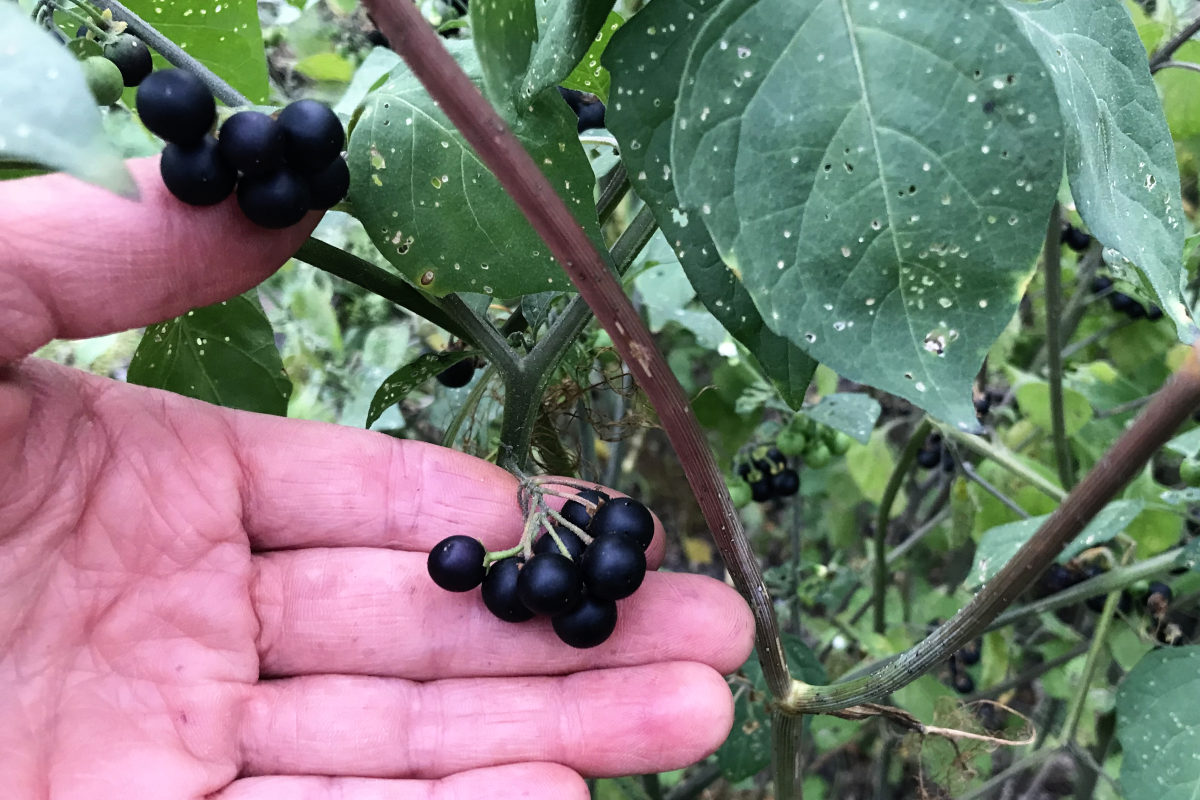
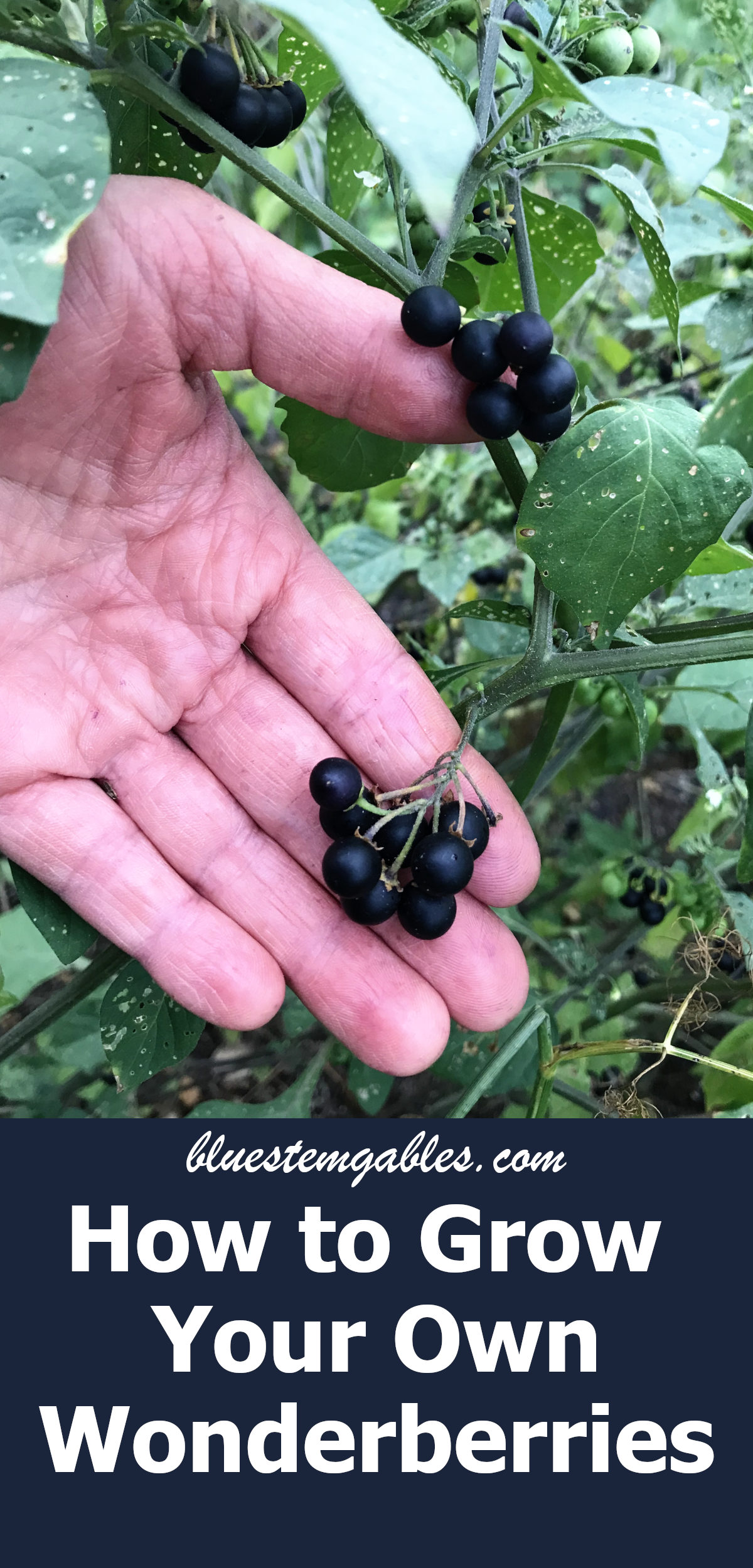
Wonderberries are a member of the nightshade family (as are tomatoes, potatoes and eggplants), and their berries may be poisonous in their green stages. Berries must mature to a dull blue-black before being harvested.
Ripe berries will also easily pull from the stem and leave their calix behind. Wonderberries are also very soft in this stage with a thin peel. For this reason, be gentle when pulling berries from the plant, experimenting on technique for the best way to prevent too much mushiness, and purple hands. Some suggest a rolling action instead of pulling straight off.
The berries, themselves, though edible raw, are fairly mild and bland. The kids describe them like a very sweet tomato. They are known to be best cooked (though they make it into smoothies here, as well). They can be made into jelly, jam, sauce or compote, crisp (as in apple crisp but with wonderberries, with or without the apples), or platz.
You can guess by their dark colour that they contain antioxidants, namely anthocyanins. This must be a stroke in their favour.
While foraging wild plants may sound easy, not having to cultivate and maintain, travel and unpredictable harvests can be discouraging. Having a berry crop in one’s own garden saves travel and searching, even when its own harvest is only a few berries at a time instead of handfuls, as it was this year.
As with chokecherries, wonderberries sink in water, so to wash, fill a container about a third with berries, and then fill with water. Most contaminants and green berries rise to the surface and can be scooped or poured off. Then drain the berries in a colander, and store in freezer bags in the freezer, or cook as desired.
Let us conclude this mystery of success or failure. Wonderberry growth and harvest are, without a doubt, fruitful. However, as I ignorantly planted, their plot for the takeover of the world (or at least my garden), though their success, was my catastrophe. Perhaps, like the dill, wonderberry is more favourably disposed to certain gardens than others. I’m not sure if I should encourage this experiment. But since the days of the pioneers, wonderberries have become almost unknown, waiting, I suppose for the unsuspecting gardener, or just dying out. Should we encourage their cultivation? I don’t know, but I am stuck with the wonderberry for the time being.
You might like these articles as well:
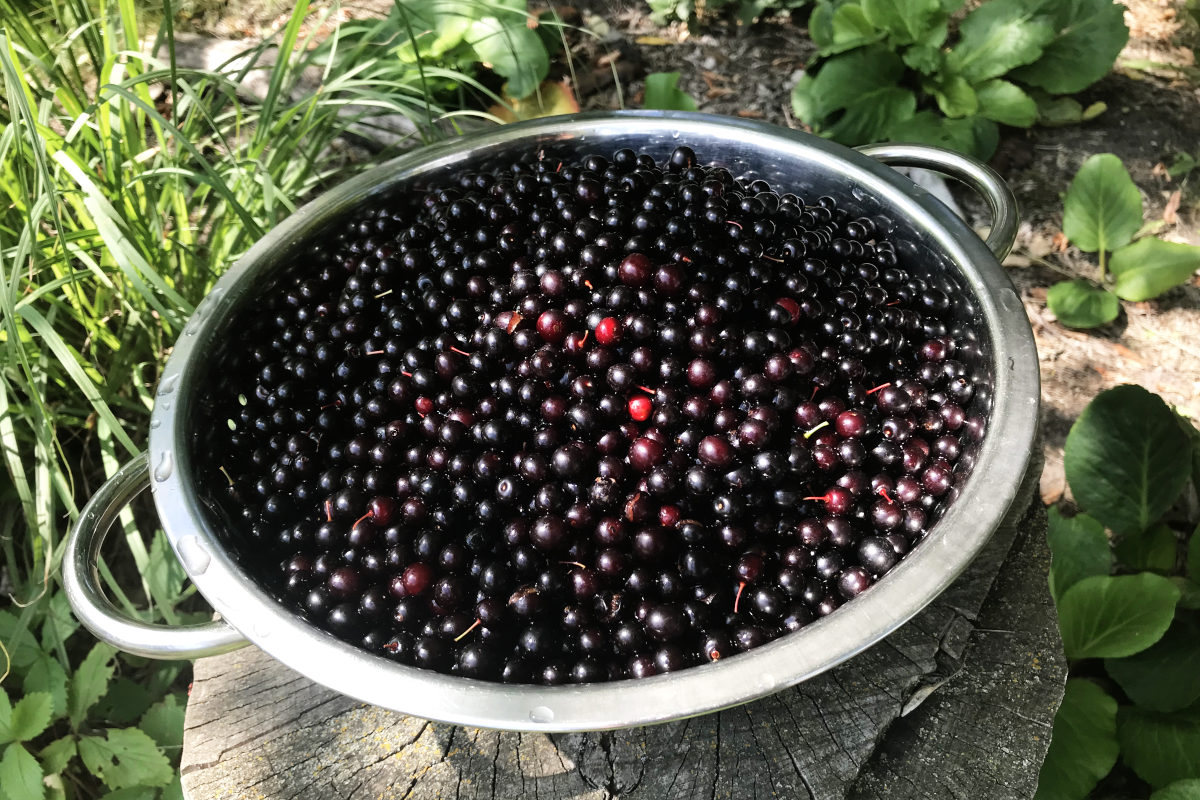
Harvesting Chokecherries and Chokecherry Syrup
 I'm Erika, I live on eighty acres in the northern prairies of southern Manitoba with my husband and four kids. Here, we enjoy the outdoors and try to be more self sufficient as we try new things in the garden and learn about our land and the world around us.
Leave a Reply