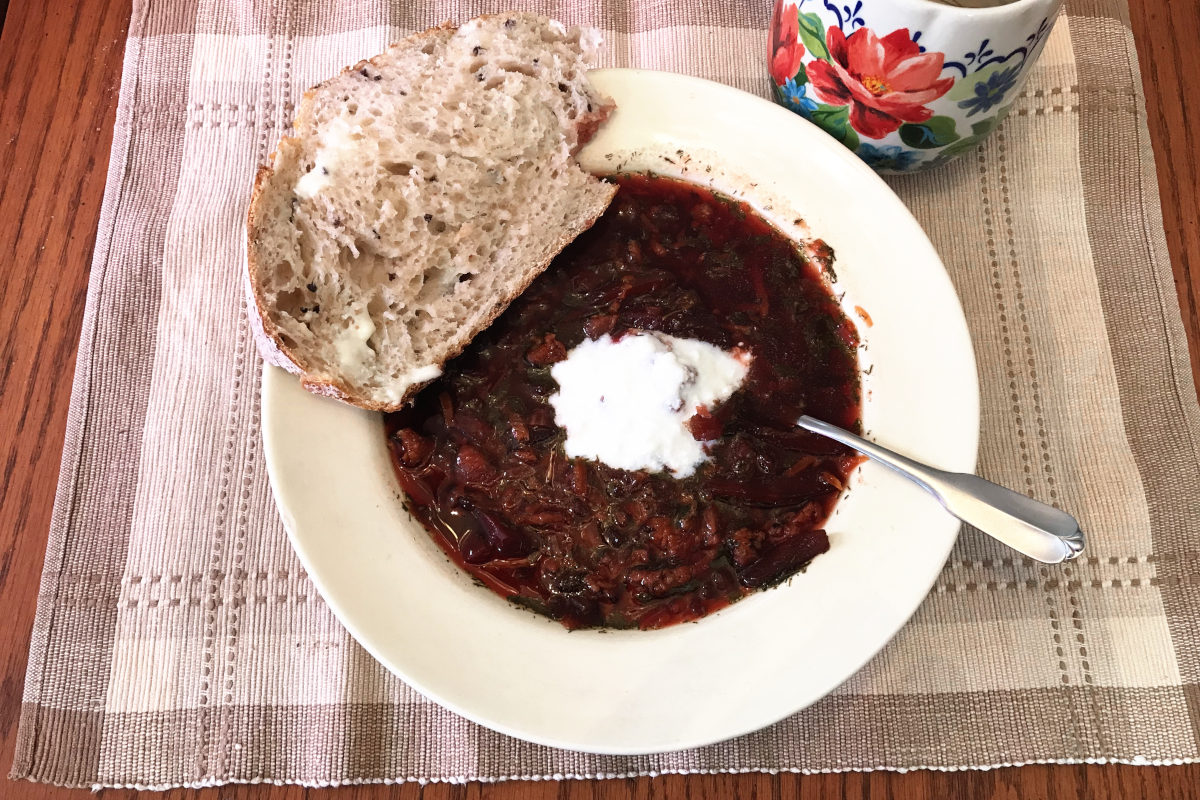
Beet soup, Beet borscht, whatever you call it, this colourful soup is reminiscent of those garden days, full of fresh vegetables and dill. This is an quick and easy recipe, ready for weeknight dinner or comfort food on Saturday afternoon. Did you hear me say dill?
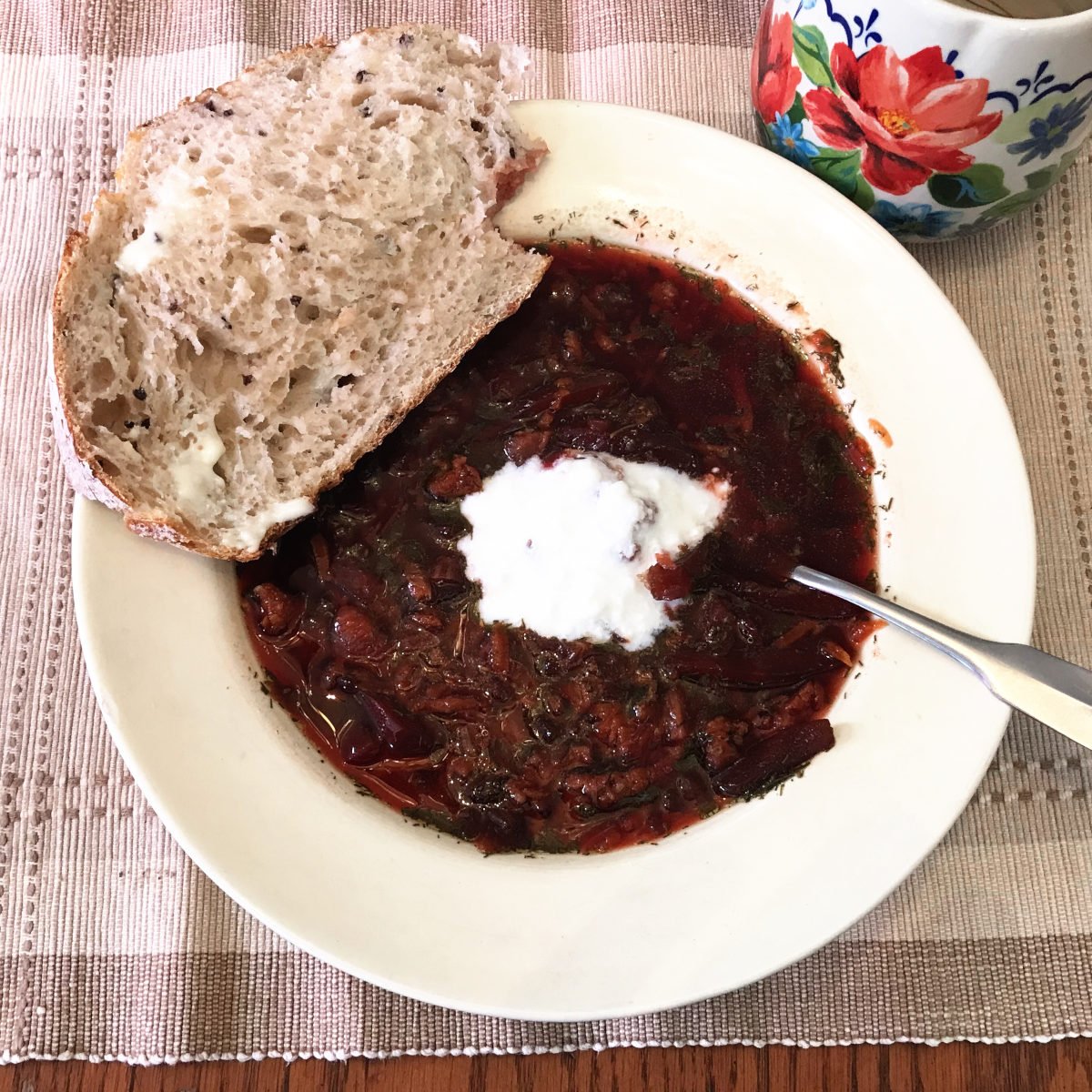
This particular recipe my cousin made for a gathering of family and friends for the annual threshing demonstration (old fashioned grain harvesting with antique machinery) and barn dance they host. The beet soup was delightful, so, of course, I asked her for the recipe. Check out the other annual traditional soup here.
Tips for Beet Soup
Jump to RecipeMy new favourite beet variety is Green Lutz Leaf Beet. I got these beet seeds from a local seed company, Heritage Harvest Seed, which they highly recommend. The beets grew massive, one the size of my head. They are great for storage. Now in April, I still have some in my “root cellar” under the stairs in my basement. Some are soft, but they will be planted in the garden soon so that they can produce seeds in their second year!
Growing Green Lutz Leaf Beets
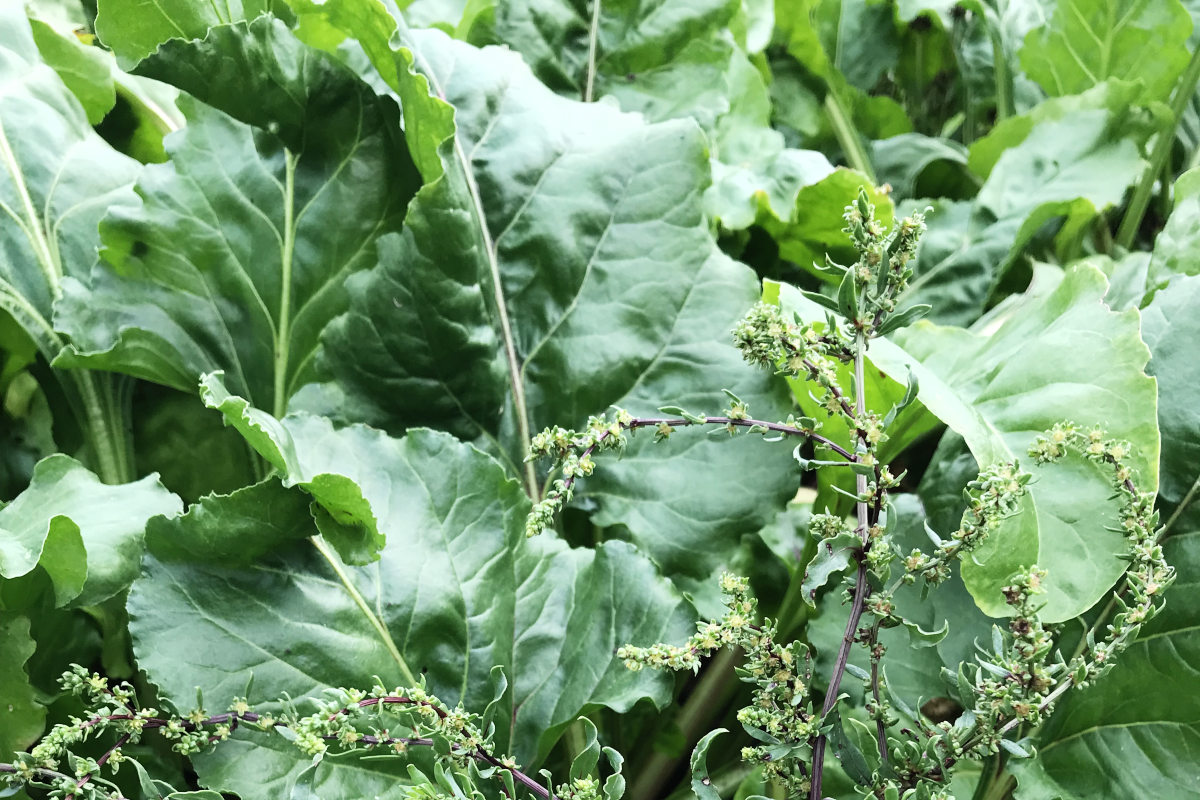
Beets are super easy to grow, and seeds can be directly sown in the garden. The seeds are big, because there are actually several seeds in each clump. Thin these seedlings so that each beet has room to grow. Sometimes, if you are extremely careful, you can replant the seedlings, but they probably won’t be as vigorous as the other plants.

The leaves of Green Lutz Leaf Beets are also huge and green and thick. The Detroit beets, which are the standard beets you find on any seed display in the spring, are small and thin, and are a bit more likely to be spotty from insects. Not so with these Green Lutz Leaf. They were perfect, even as my kale was getting eaten by flea beetles and grasshoppers.
The leaves can be used in soup as well, or salads, or frozen and used as greens throughout the winter. Check out this recipe and this recipe for ideas on where to add some beet leaves. Anywhere where it calls for kale or spinach, I would dare to use beet leaves.
Did you know, beets are the same species as Swiss Chard? They both have so many vitamins and minerals, they are considered “superfoods”, though of a slightly different nutrient profile. Plus you have a double vegetable in the beet – the root and the leaf.
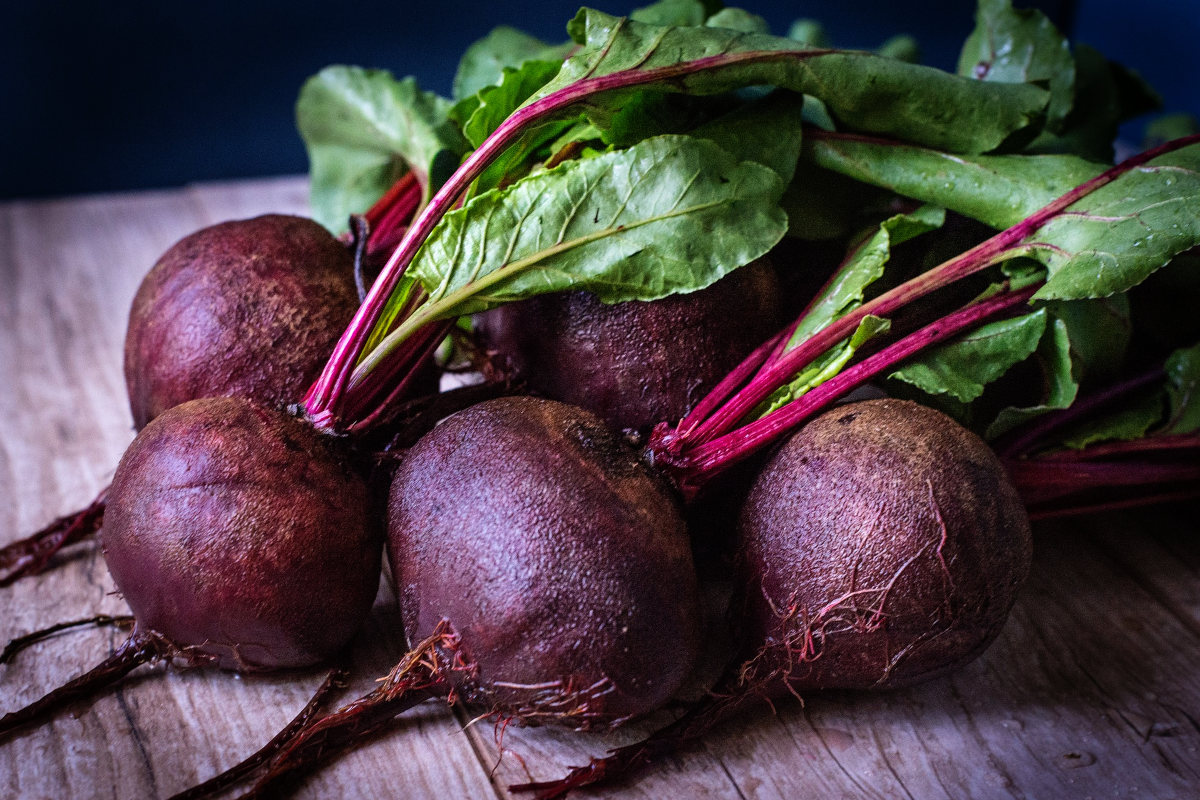
You can harvest leaves all through the growing season, though you need to leave enough to support the root growth underneath.
Despite my comment on spotty Detroit beet leaves, the beets haven’t suffered anything else in my garden, and do quite well.
Besides canning a few pickled beets, and few for fresh roasting or shredding into salads, most of my beets end up in my freezer. Baking or boiling the beets for a few minutes softens the skins for easy removal with a vegetable peeler if they don’t slide right off. Then they get chopped up, usually in my food processor, (baking helps with this too, as raw beets are extremely hard and crisp) and put directly in medium freezer bags.
Back to the Beet Soup
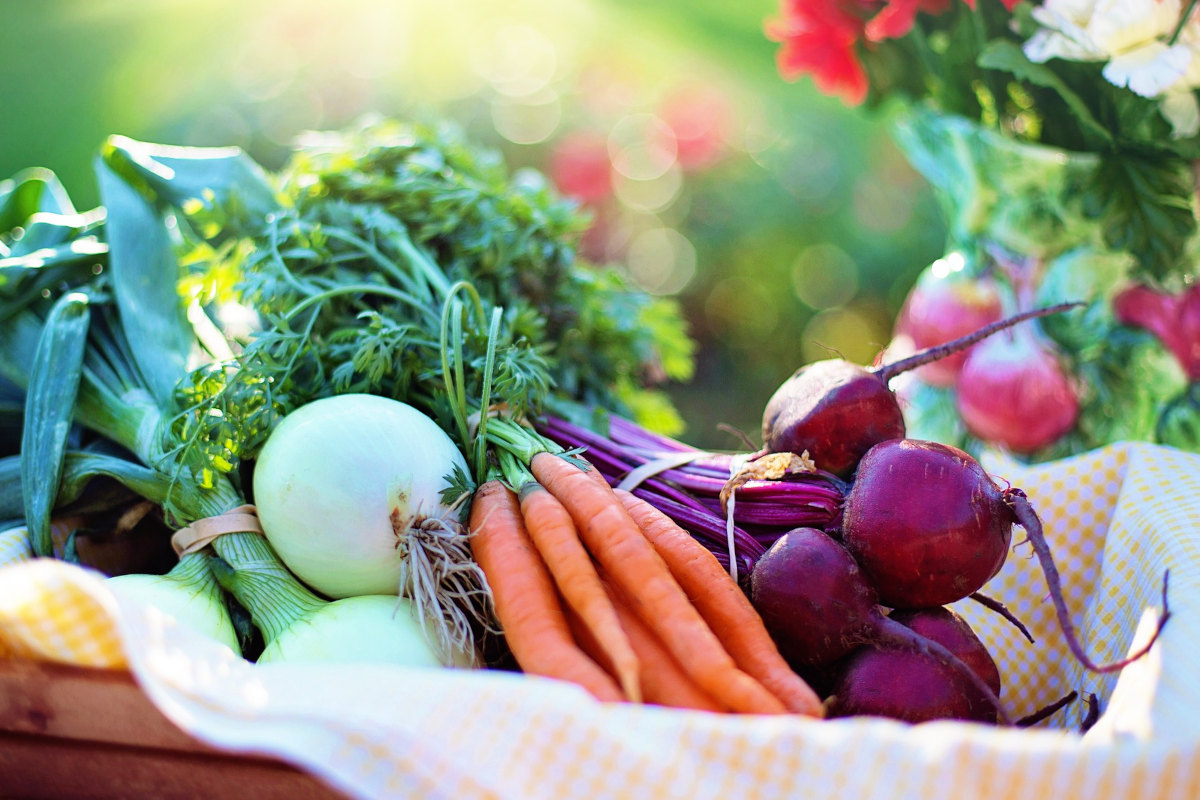
I like to just grab a bag of shredded carrots from the freezer for the soup pot. Check out this article on growing and storing carrots.
Cabbage, if you have a big head from the grocery store or if you have some from the garden, can be chopped and frozen as well. If keeping cabbage in your fridge, just add a wet paper towel to the bottom end of the cabbage and store it in a plastic bag for longer storage.
The last few years I’ve grown Yellow of Parma onions. They are excellent storage onions, and like the beets, I will be planting the onions from last year again so that they produce seed for next year!
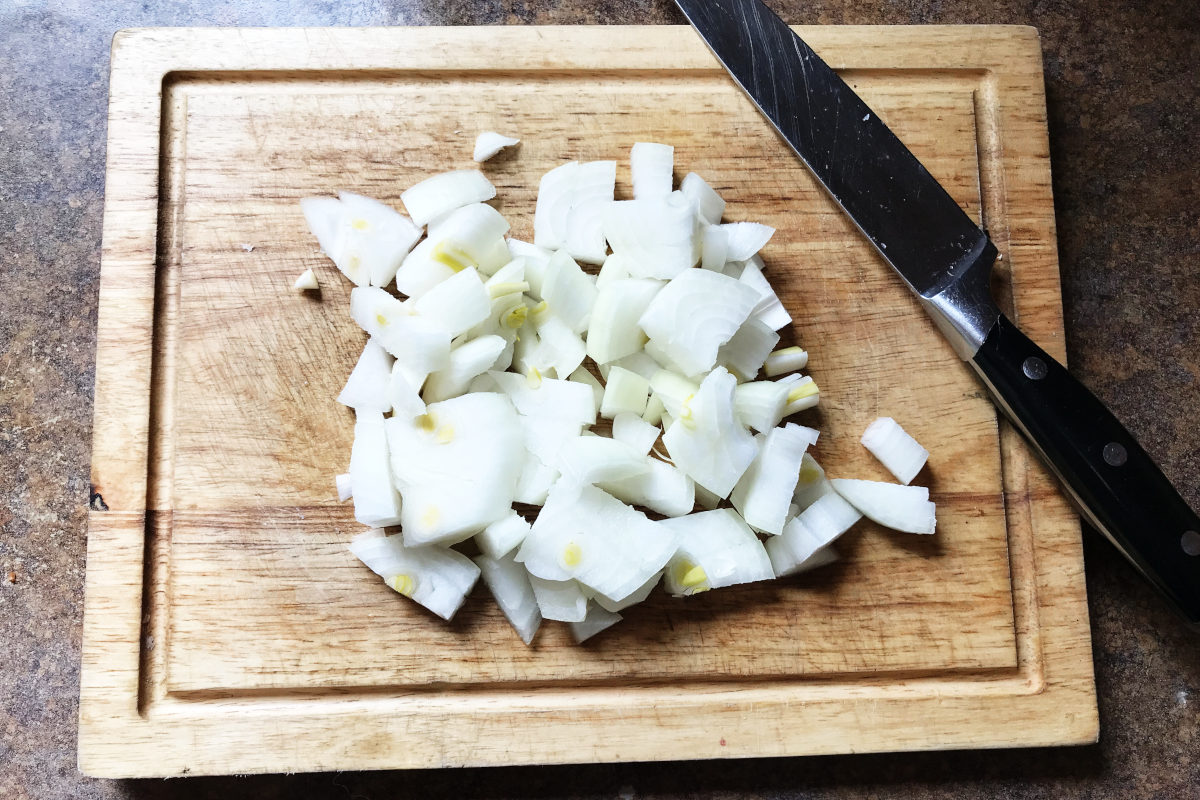
This soup has been made without meat, the vegetarian way, but it definitely benefits from some farmer sausage or ham.

Did I mention this recipe has DILL? Check out this article on how to air dry your own herbs. The longer the soup sits and steeps, the better the flavour of the herbs. Leftovers are even better than the fresh soup!
Beet Soup
Ingredients
Equipment
Method
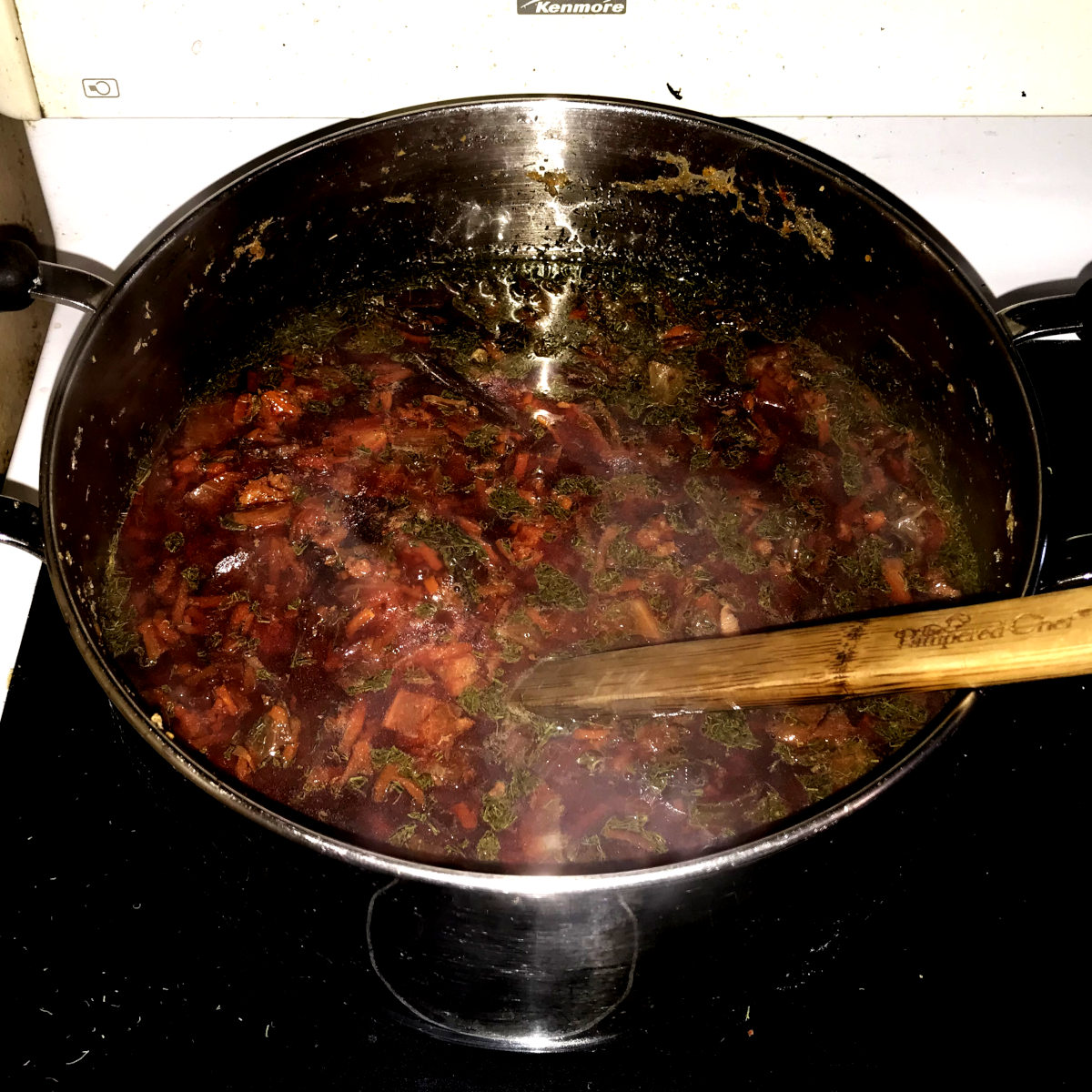
- Bring beets, carrots, onion, ham or sausage, salt, water and broth to a boil. Reduce heat, cover and simmer for 20 minutes
- Add cabbage, butter and dill. Simmer uncovered for 15 minutes.
- Just before serving, stir in lemon juice.
- In bowls, top with sour cream/yogourt
 I'm Erika, I live on eighty acres in the northern prairies of southern Manitoba with my husband and four kids. Here, we enjoy the outdoors and try to be more self sufficient as we try new things in the garden and learn about our land and the world around us.
Leave a Reply